
This Supreme Court property law judgement clarifies the strict boundaries of contractual remedies in commercial leases, ruling that commercial tenants cannot recover business interruption losses suffered by third-party occupants via unrecognised legal exceptions.
Background:
The dispute concerned one of Glasgow's oldest and most celebrated restaurants, which had traded from the same premises since 1935. The current lease dated from 1996 and was assigned to the tenant in 2013. On taking the lease, the tenant granted a licence to occupy the premises to its wholly owned subsidiary, which operated the restaurant. The subsidiary was not a party to the lease.
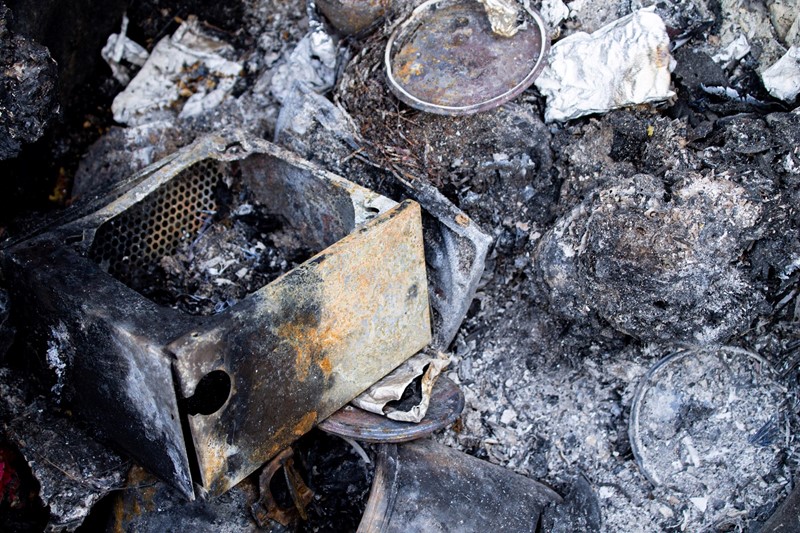
Following severe damage caused by flooding and a subsequent fire, the building suffered from ongoing water ingress, unsafe electrical installations, and a complete lack of heating, rendering it incapable of reopening. A dispute arose between the landlord and the tenant regarding repair obligations and liabilities for the property damage. The tenant initiated commercial court proceedings seeking an order for building repairs and damages, alongside compensation for the operating subsidiary's lost trading profits. While the landlord argued that the tenant had no legal right to recover losses sustained by the occupying subsidiary, a commercial judge initially ruled in the tenant's favour. However, the Inner House allowed the landlord's appeal, holding that Scots law did not permit the tenant to recover third-party losses. This led to an appeal to the Supreme Court.
Although the parties sought to settle out of court on the morning of the hearing, the Supreme Court denied their request to withdraw the case and ultimately delivered a formal judgement.
Decision:
- No "transferred loss" exception: The Court rejected the "Albazero exception" (which allows a contracting party to claim damages on behalf of an affected third party). Contractual damages remain strictly limited to losses personally suffered by the signing party.
- The legal black hole: Because the parent company held the lease but lost no trading profits, and the subsidiary lost trading profits but held no lease, neither entity had the legal standing to sue the landlord for the restaurant's closure.
- Breach of lease terms: The tenant granted an occupancy licence to its subsidiary despite the lease explicitly banning subletting or sharing possession. As a result, the Court ruled that the corporate group must bear the legal consequences of bypassing these terms.
- Public interest over out-of-court settlement: Even though the landlord and tenant tried to settle the morning of the hearing, the Supreme Court refused to withdraw the case, choosing instead to issue a formal judgement to clarify the law.
Implications:
- Corporate groups that have separated their property-holding entities from their trading entities should immediately review their legal structures with a specialist solicitor. Operating subsidiaries must have direct legal standing or explicitly recognised rights within the lease.
- Do not grant informal operational licences or allow subsidiaries to occupy a space if the head lease prohibits sharing possession, as doing so creates massive legal vulnerabilities in the wake of disaster.
- Corporate structuring teams and property practitioners must align leasing agreements, insurance policies, and sub-tenancy permissions so it is explicitly clear who bears the risk of business interruption.
- You cannot rely on corporate relationships or vague legal concepts to bridge gaps in real estate asset management. Every occupying entity needs airtight, proactive legal documentation.