
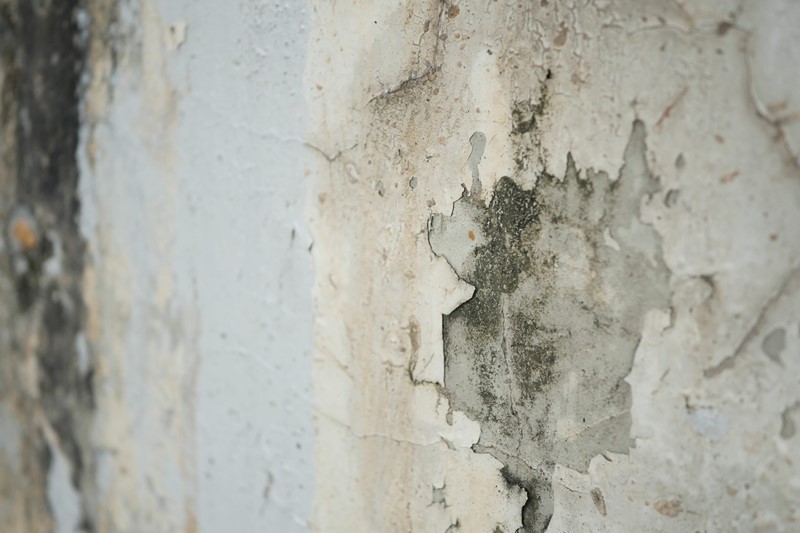
If a residential property has suffered years of neglect, structural degradation, or even extensive hazardous contamination, determining whether it remains "residential property" for the purposes of Stamp Duty Land Tax (SDLT) requires a rigorous cumulative assessment of its physical reality at the effective date of the transaction.
Background:
The appellant acquired a 1930s detached property with a 1960s extension for £2.4m and initially submitted an SDLT return treating the transaction as non-residential. HMRC opened an enquiry and issued a closure notice, concluding that the property constituted residential property under Section 116(1)(a) of the Finance Act 2003 as it was a building used, or else suitable for use as a dwelling.
The appellant appealed to the First-tier Tribunal (FTT) (Tax Chamber) and presented extensive survey evidence indicative of widespread damp, mould, structural movement, and pervasive, high-risk asbestos contamination, requiring licensed removal.
Decision:
The FTT allowed the appeal, holding that the property was not in fact residential property at the effective date of the transaction. Applying the multifactorial framework endorsed by the Court of Appeal (CoA) and Upper Tribunal in Mudan v HMRC, the FTT evaluated the cumulative effect of the property's condition rather than viewing the individual defects in isolation. While acknowledging that the building remained standing, had a historical residential layout, and was not beyond theoretical repair, the FTT found that the combination of prolonged vacancy, severe structural defects, safety hazards, and need for extensive asbestos remediation fundamentally altered the character and identity of the building. Consequently, the property had ‘crossed a line’ and was no longer suitable for use as a dwelling.
Implications:
This pivotal decision demonstrates that, while economic viability and developers’ perceived intentions do not constitute standalone legal tests, the cumulative physical scale, complexity, and intrusive nature of obligated remediation works may rebut any statutory presumption of residential character.
This ruling emphasises that tribunals will examine how severe defects—such as structural movement, water ingress, and widespread hazardous contamination—compound to render a residence uninhabitable. Moreover, this case illustrates that, even if a structure retains its historical form as a former dwelling, extreme physical deterioration and active safety hazards can effectively transform it into a non-residential asset for SDLT purposes, provided that the threshold of intervention required for remediation is exceptional.